-
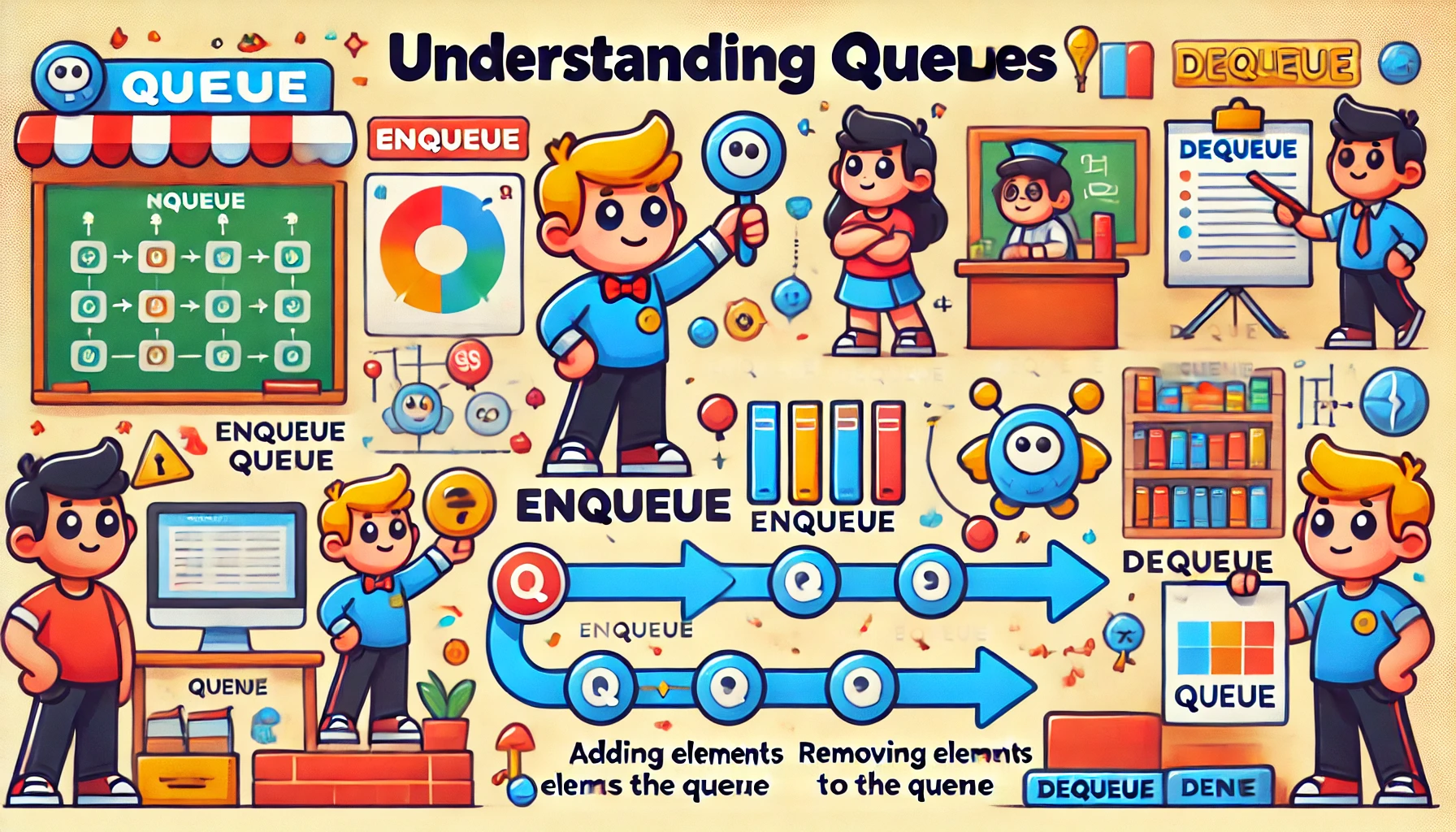
Algorithms 101: Understanding Queues
Definition A Queue is a simple yet powerful data structure used for storing and retrieving data in a First-In, First-Out (FIFO) manner. This means the first element added to the queue will be the first one to be removed. Key Concepts Enqueue: Add an element to the end of the…
-
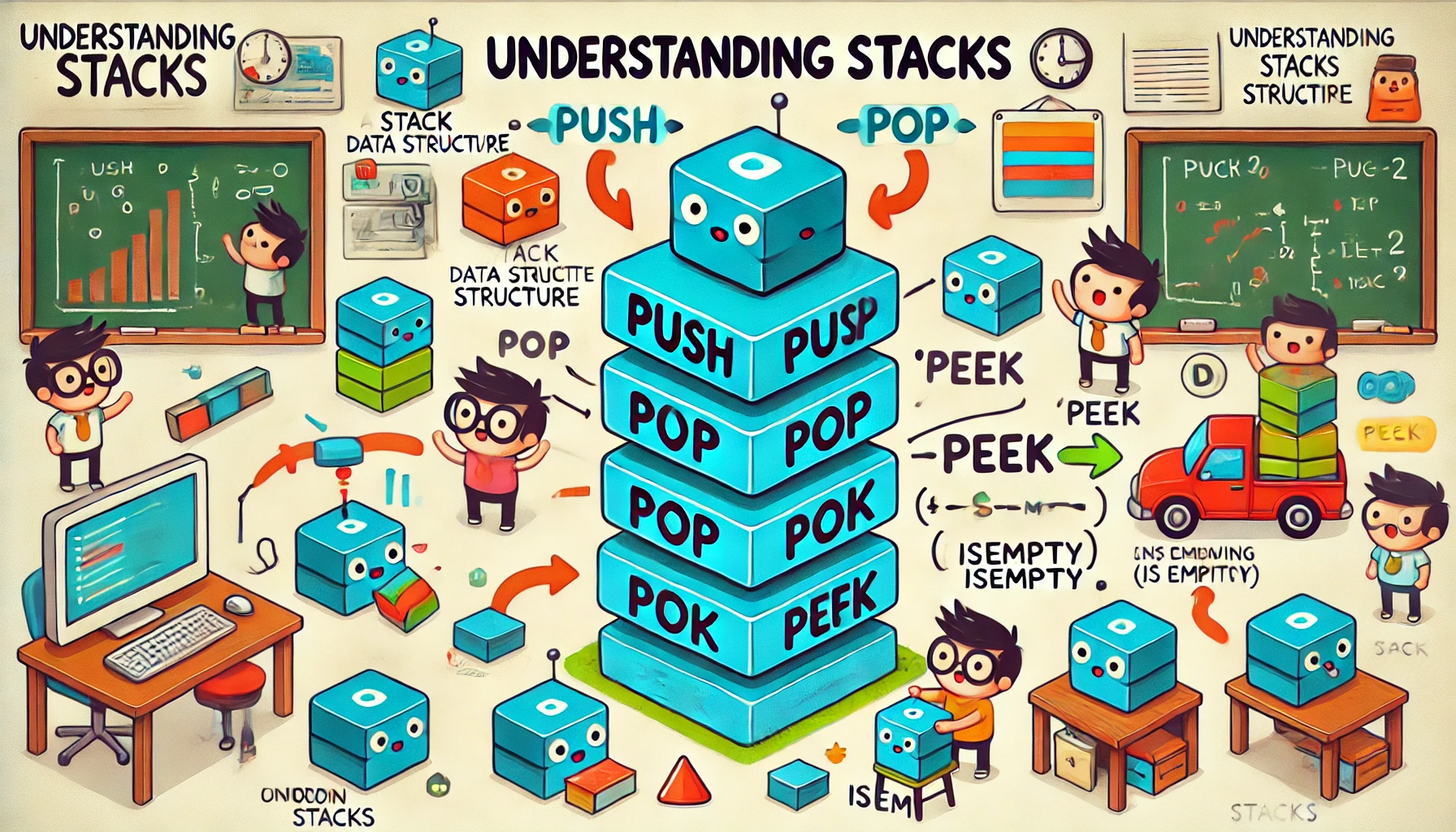
Algorithms 101: Understanding Stacks
Definition A Stack is a simple yet powerful data structure used for storing and retrieving data in a Last-In, First-Out (LIFO) manner. This means the last element added to the stack will be the first one to be removed. Key Concepts Push: Add an element to the top of the…
-

Python 101: Python Unit Testing Using AAA
Introduction to Python Unit Testing Using AAA Unit testing is a crucial part of software development that ensures individual components of your code work as expected. The AAA (Arrange, Act, Assert) pattern is a widely adopted structure for writing clear and maintainable tests. This guide will help you understand and…
-
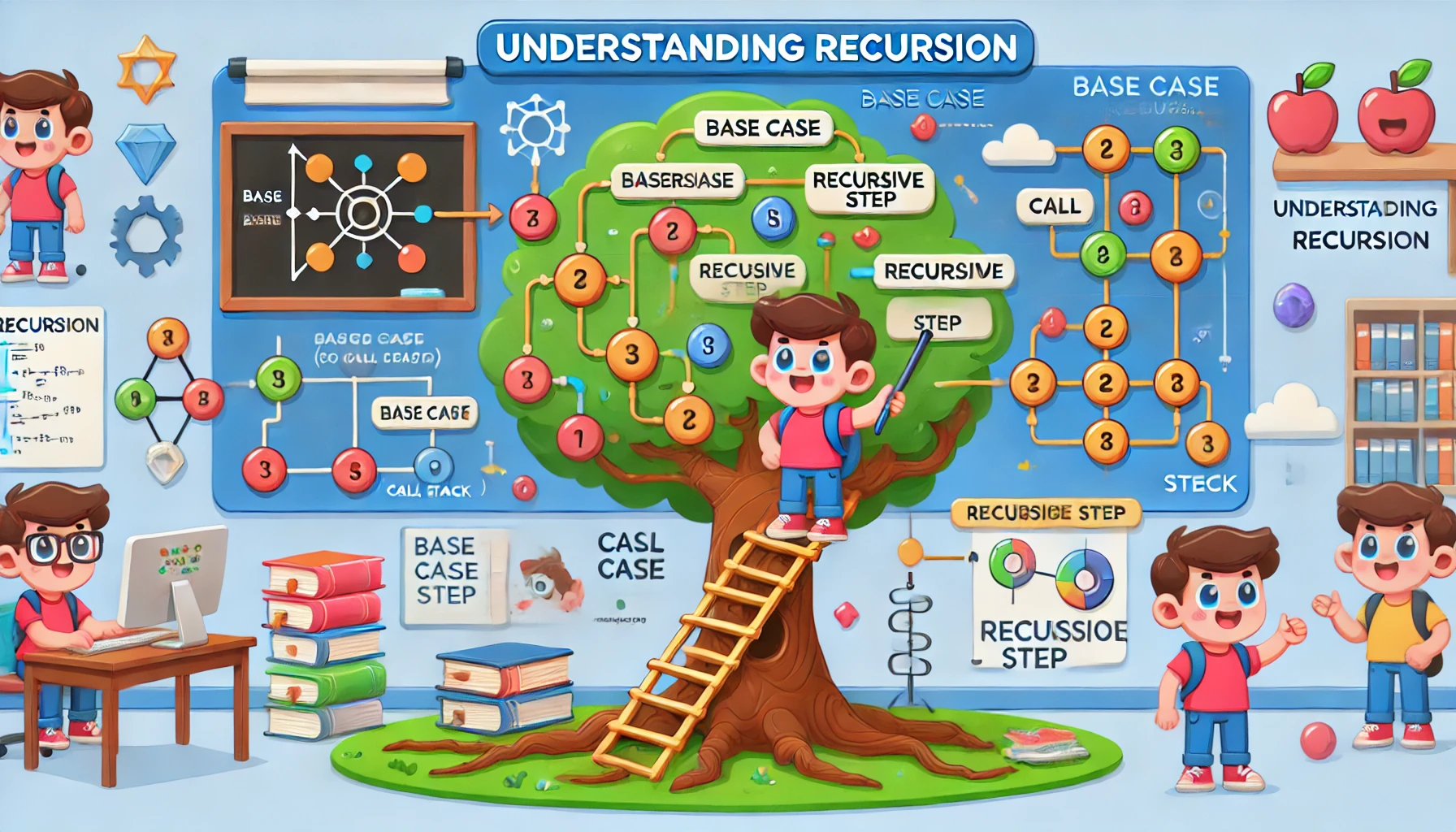
Algorithms 101: Recursion
Why Start Learning Algorithms 101 with Recursion Fundamental Concept in Computer Science Recursion is one of the core principles in computer science and is foundational for understanding many advanced topics. Learning recursion early helps build a strong base for tackling more complex algorithms and data structures. Key Reasons Intuitive Problem…
-
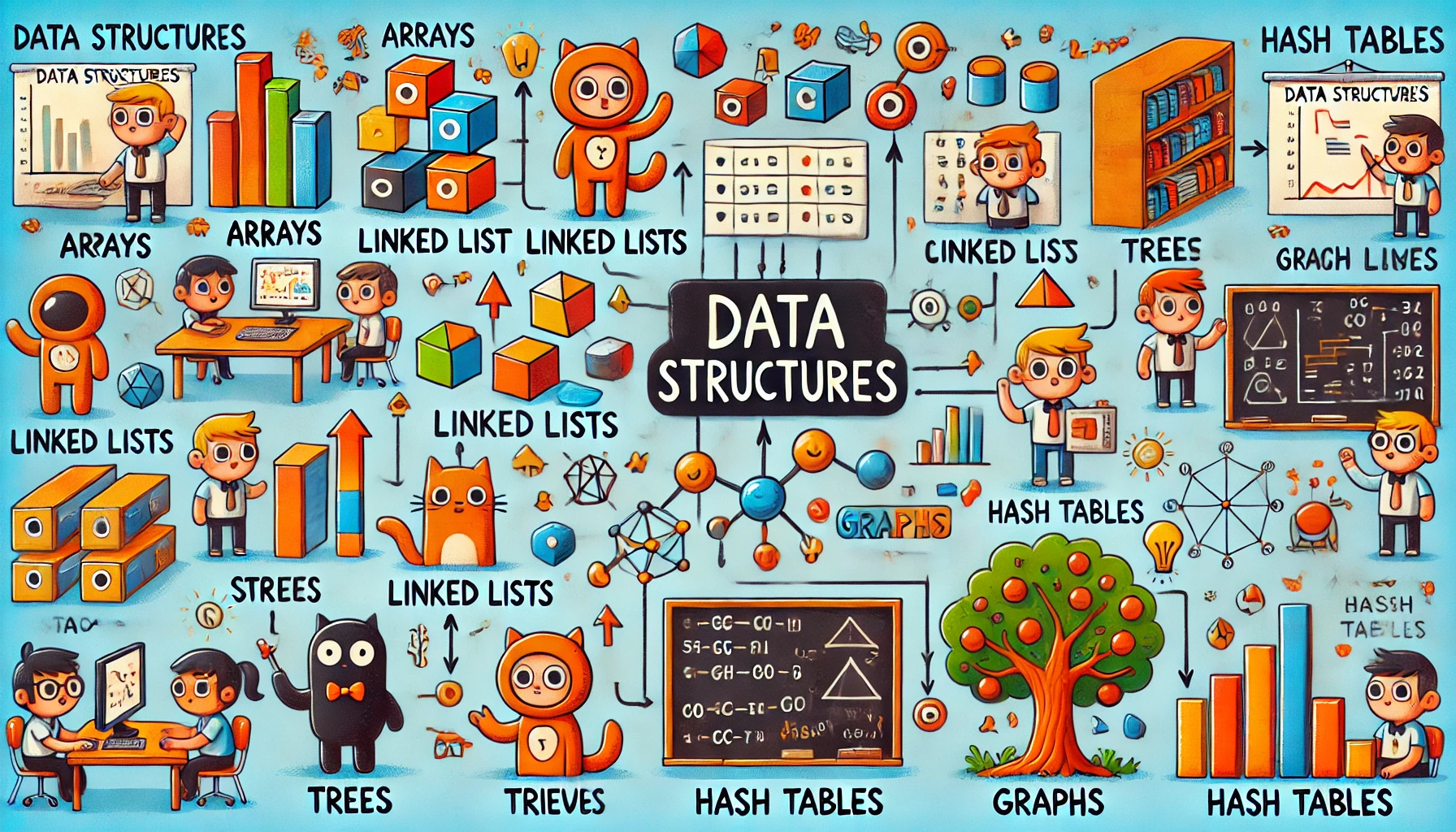
Algorithms 101: Data Structures
Arrays Arrays are a basic data structure used to store elements in a contiguous memory location. They are used in a variety of algorithms for efficient data access and manipulation. # Example functions to demonstrate array operations # Accessing elements in an array – O(1) def access_element(arr, index): return arr[index]…
-

Algorithms 101: Big O Notation
Big O Notation Big O notation is a mathematical notation used to describe the upper limit of the runtime of an algorithm as a function of the input size. # Example functions to demonstrate Big O notation # O(1) – Constant Time def constant_time_example(arr): return arr[0] # Accessing the first…
-
Algorithms 101: Search Algorithms
Search Algorithms Search algorithms are designed to retrieve information stored within some data structure or calculated in the search space of a problem domain: Linear Search Linear search is a simple search algorithm that checks every element in the list until it finds the target value. def linear_search(arr, target): #…
-
Algorithms 101: Sorting Algorithms
Sorting Algorithms Sorting algorithms arrange data in a particular order, typically ascending or descending. Common sorting algorithms include: Bubble Sort Bubble sort is a simple comparison-based sorting algorithm. It repeatedly steps through the list, compares adjacent elements, and swaps them if they are in the wrong order. def bubble_sort(arr): n…
-
Python 101: Python 35 keywords
Python 35 keywords Keyword Definition Code Example Tips False Boolean value indicating false. is_student = False Use in conditional statements to represent a false state. None Represents the absence of a value or a null value. result = None Commonly used to initialize variables or indicate no result. True Boolean…
-
Learn Python this summer Day 15: Working with APIs
Welcome back! Yesterday, we learned about web scraping. Today, we’ll dive into working with APIs (Application Programming Interfaces), which allow you to interact with web services and retrieve data programmatically. By the end of this day, you’ll know how to make API requests and handle responses in Python. Let’s get…